

 CoinFo_Admin
 Introduction
Bitcoin continues to dominate the cryptocurrency landscape in 2026, but many newcomers still ask the same question: What exactly is Bitcoin, and why does it matter?
Whether you’re exploring crypto for the first time or looking to strengthen your understanding, this guide breaks down Bitcoin in simple terms—while also explaining why it remains the foundation of the digital asset economy.
What Is Bitcoin?
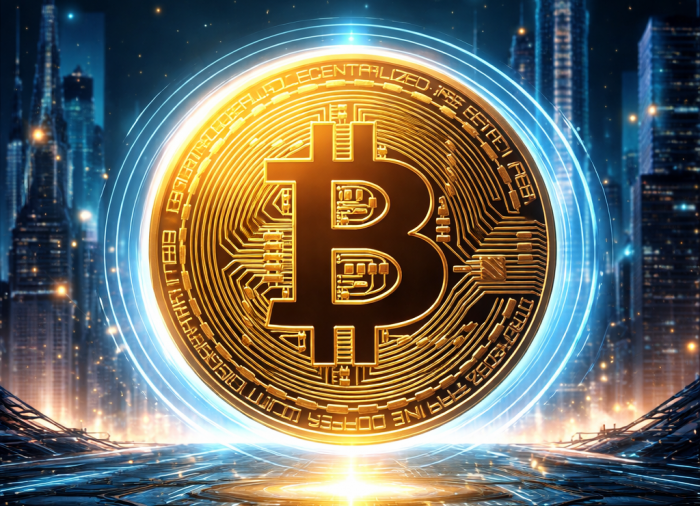
Bitcoin is a decentralized digital currency that allows people to send and receive money over the internet without relying on banks or intermediaries.
It was created in 2009 by an anonymous figure known as Satoshi Nakamoto, introducing a revolutionary concept: peer-to-peer financial transactions secured by cryptography.
Unlike traditional currencies:
- Bitcoin is not controlled by any government
- It has a fixed supply of 21 million coins
- It operates on a transparent, public ledger called the blockchain
How Does Bitcoin Work?
Bitcoin runs on a technology called blockchain, which is essentially a distributed database shared across thousands of computers worldwide.
Here’s how it works:
- Transactions are requested by users
- These transactions are grouped into blocks
- Miners validate the blocks using computational power
- Once verified, the block is added to the chain permanently
This system ensures:
- Security
- Transparency
- Immutability (transactions cannot be altered)
Why Is Bitcoin Called “Digital Gold”?
Bitcoin is often referred to as digital gold—and for good reason:
1. Scarcity
There will only ever be 21 million Bitcoin, making it a deflationary asset.
2. Store of Value
Many investors use Bitcoin to protect wealth against inflation and currency devaluation.
3. Decentralization
No central authority can manipulate Bitcoin’s supply or policy.
4. Global Accessibility
Anyone with internet access can use Bitcoin, regardless of location.
Why Bitcoin Still Matters in 2026
Despite thousands of cryptocurrencies emerging, Bitcoin remains the most important asset in the crypto market.
Here’s why:
- Market Leader: Bitcoin still holds the largest market capitalization
- Institutional Adoption: Companies and funds continue to add Bitcoin to their balance sheets
- Regulatory Clarity: Many countries now recognize Bitcoin as a legitimate asset class
- Foundation of Crypto: Most crypto markets and trends still follow Bitcoin’s movement
Is Bitcoin a Good Investment?
Bitcoin is considered a high-risk, high-reward asset.
Pros:
- Strong long-term growth potential
- Increasing adoption worldwide
- Limited supply
Cons:
- Price volatility
- Regulatory uncertainty in some regions
- Requires proper security and storage knowledge
Tip: Always invest based on your risk tolerance and long-term strategy.
How to Get Started with Bitcoin
If you’re new to Bitcoin, here are the basic steps:
- Choose a reliable crypto exchange
- Create and verify your account
- Buy Bitcoin using fiat currency
- Store it securely (preferably in a private wallet)
Conclusion
Bitcoin is more than just a cryptocurrency—it’s a financial revolution that continues to reshape how we think about money.
As we move further into 2026, understanding Bitcoin is no longer optional for investors—it’s essential.